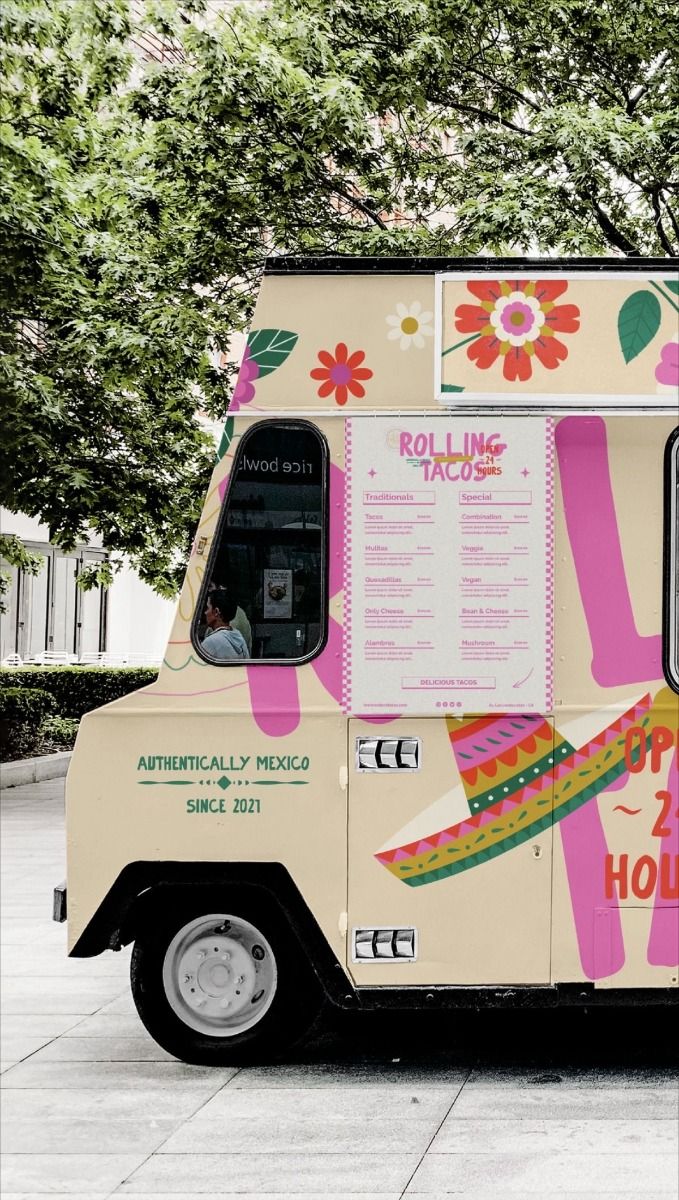
Let's be honest — food trucks that succeed aren't just the ones with the best food. They're the ones that show up when customers are searching, that look professional enough to land catering contracts, and that have a place online that feels like them. A great Instagram feed gets you followers. A great website gets you booked.
The Problem with Relying Only on Instagram
Social media is a powerful tool, but it comes with real limitations that can hold your business back:
- You don't own it. Algorithm changes, account restrictions, or an outage can cut you off from your audience overnight — and there's nothing you can do about it.
- It doesn't rank on Google. When someone searches "food truck catering near me" or "best taco truck in Tampa," Instagram profiles rarely show up in the results. A website does.
- It can't take bookings or inquiries. A contact form, catering request page, or event booking system lives on your website — not your feed.
- It doesn't build the same credibility. Event planners, corporate clients, and festival organizers expect a real website before they'll even consider working with you.
💡 Quick stat: Over 80% of consumers research a business online before making a purchase decision. If they can't find a real website for your food truck, many will move on to a competitor who has one.
What a Website Actually Does for Your Food Truck
1. It Gets You Found on Google
Search engine optimization (SEO) is how customers find you when they're actively looking for what you offer. A properly built website with the right keywords — "food truck catering [your city]," "best tacos near me," "food truck for events" — puts you in front of people who are already ready to hire you. Instagram can't do that.
2. It Makes You Look Legit to Catering Clients
Landing a corporate catering gig, a wedding, or a festival slot can be worth thousands of dollars in a single booking. But those clients need to see that you're a real, professional business before they write a check. A polished website with your menu, photos, pricing range, and a contact form tells them everything they need to know — and builds the trust to make that call.
3. It Tells Your Brand Story
What makes your food truck different? Is it the family recipe you've been perfecting for 20 years? The fact that everything is made fresh every morning? The story behind your name? Your website is the one place where you can tell that story in full — with the photos, the copy, and the vibe that makes people choose you over the truck parked next to you.
4. It Works While You're Cooking
Your website is available 24/7. It answers questions, captures leads, shows your schedule, and represents your brand even when you're slammed at a Friday night market and can't respond to DMs. A contact form submission at 11pm can turn into a catering booking by morning — without you doing a thing.
5. It Gives You a Home Base for Everything
Your social media profiles, your Google Business listing, your printed materials — they should all point somewhere. That somewhere is your website. It's the hub that ties your entire online presence together and gives customers one reliable place to find your menu, your schedule, and how to hire you.
What Should a Food Truck Website Include?
You don't need anything complicated. A high-converting food truck website typically includes:
- A strong homepage that immediately communicates what you serve and where you are
- Your menu (even a simple PDF works to start)
- Your regular schedule or locations
- A catering or events inquiry form
- High-quality photos of your food and truck
- Your story — who you are and why you do what you do
- Links to your social media and Google reviews
✅ Good news: You don't need a complex website. A clean, mobile-friendly 3–5 page site is enough to dramatically change how potential clients perceive your business and how often they find you online.
The Bottom Line
Your food truck deserves more than a social media profile. It deserves a home on the internet that reflects the quality of what you're serving, tells your story, and works hard to grow your business even when you're not looking at your phone.
If you're a food truck owner ready to level up your online presence, I'd love to help. At Salty Pixels Studio, I build custom websites and brand identities designed specifically for the kind of businesses that make coastal communities worth visiting — and food trucks are absolutely at the top of that list.